Saturday, 8 February 2014

Greylag geese

We wandered round Blackford Pond this morning. Not many birds around compared to usual, but we owere amused by these greylag geese that were chasing each other round the children's play area.

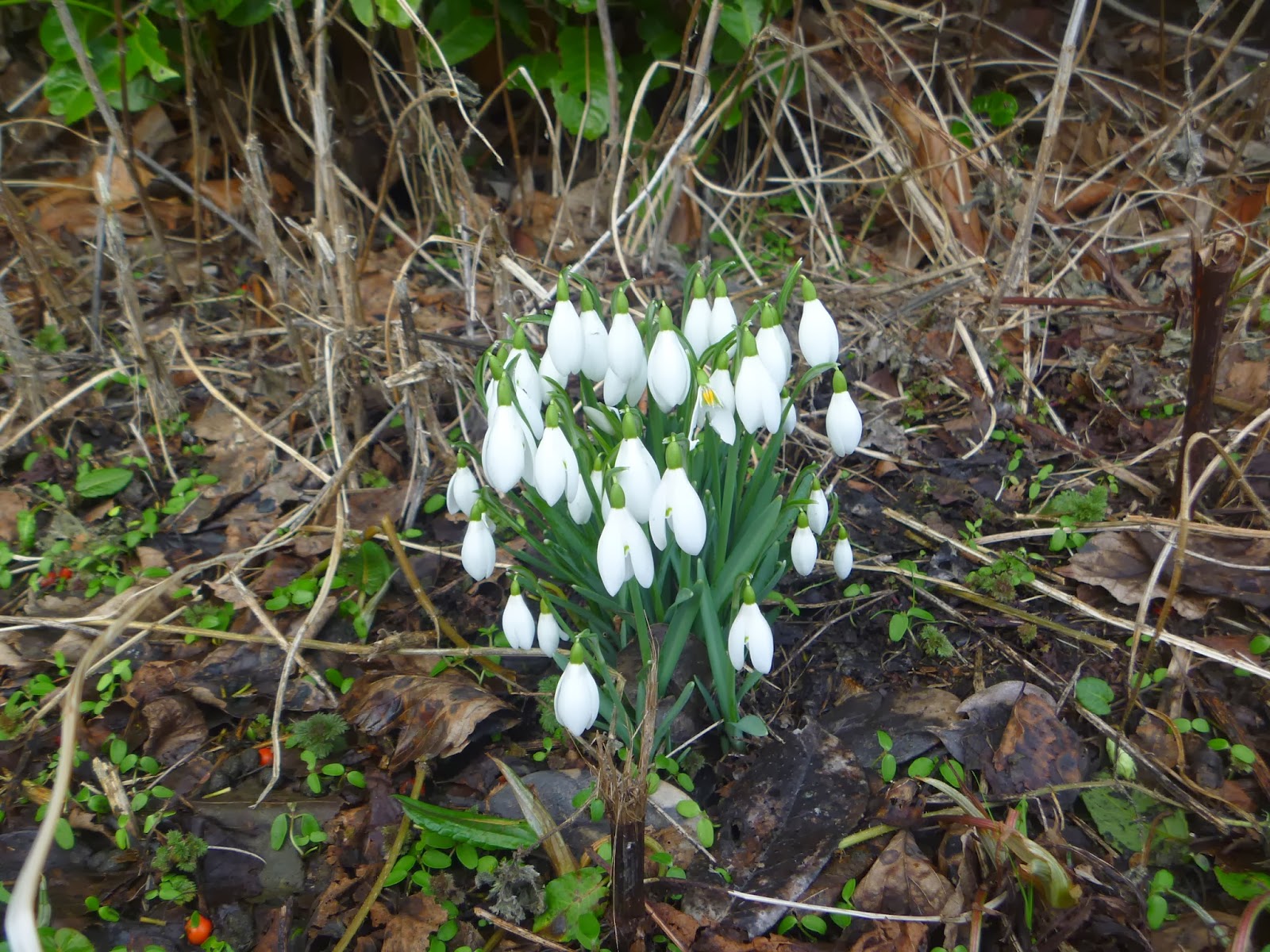
It was lovely to see the snowdrops too.

We then walked through the Hermitage of Braid, where we were delighted to see a dipper flying along the Braid Burn.


Friday, 7 February 2014

Weaving with a cardboard loom part 1

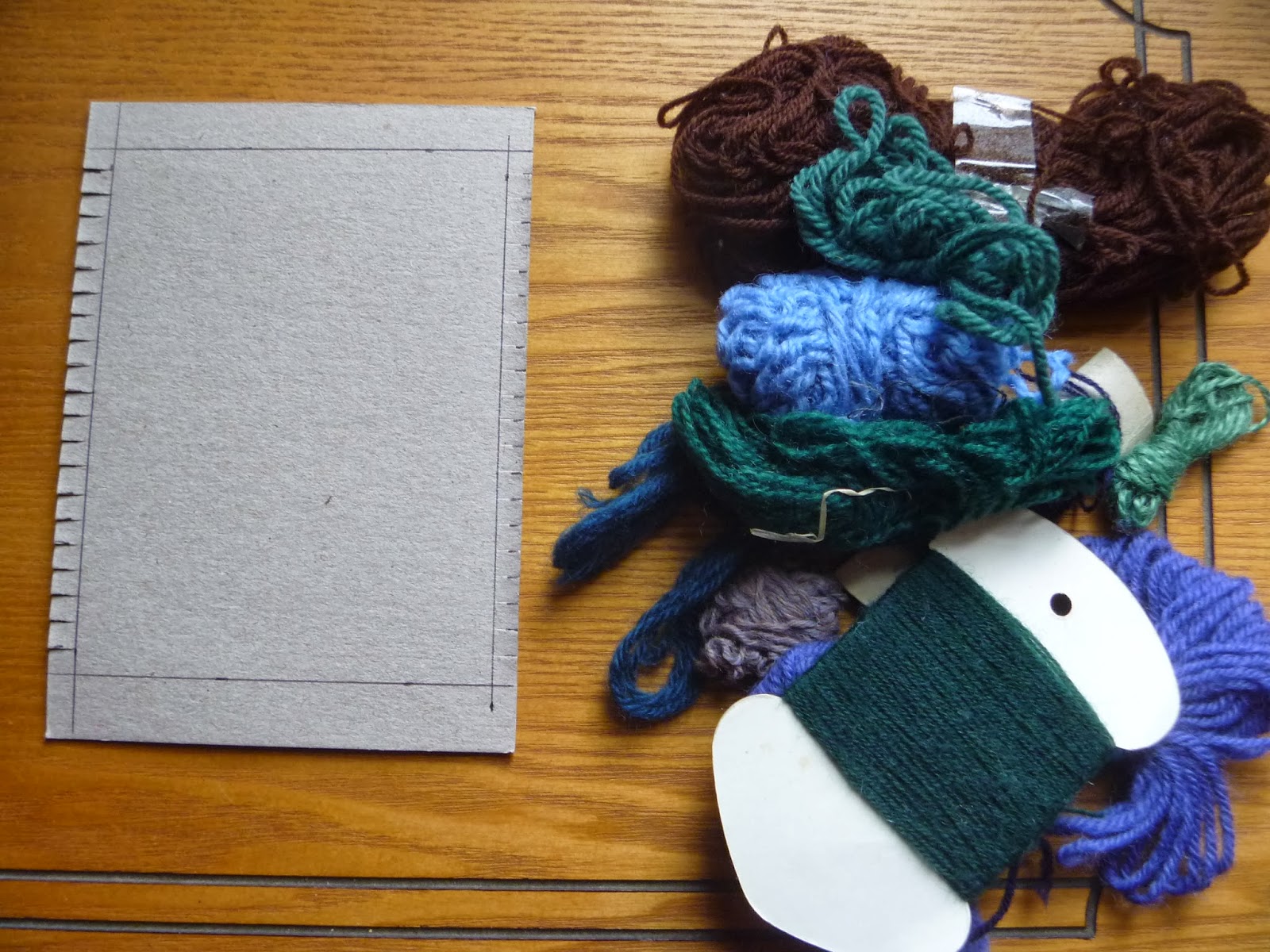
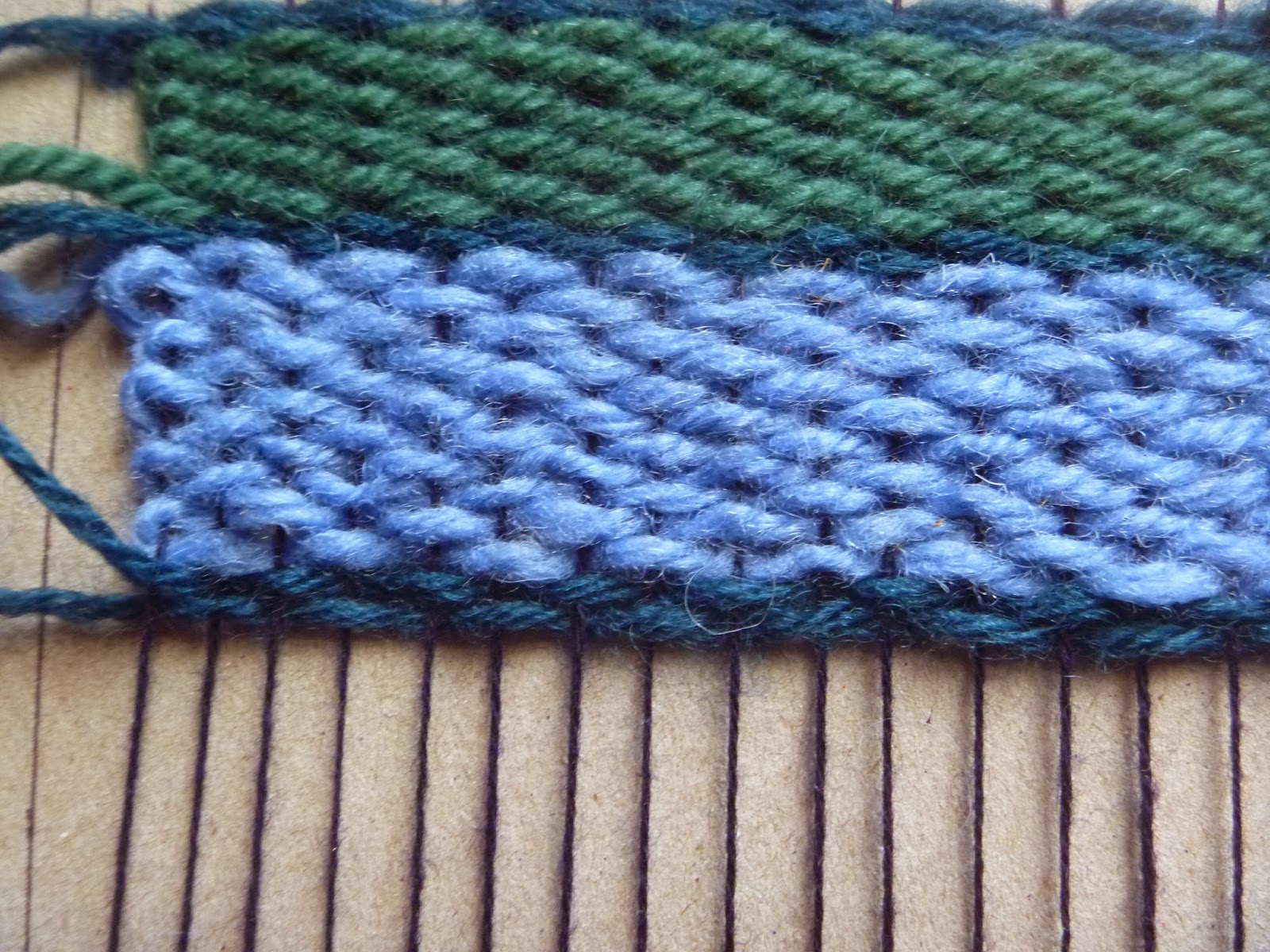
I've got some scrap wool and plenty of scraps of thick cardboard so I thought I'd try weaving! I'm aiming to make some coasters and will give them as gifts or sell them on my Etsy shop.

I'm following this tutorial on Instructables, as they describe the process much better than I could. I'll share more photos when I've finished but here's the progress so far....


Thursday, 6 February 2014

Mink Monitoring Rafts

As I wrote in a recent post on invasive species, the Water of Leith is home to a number of mink, which originally got into the wild when over enthusiastic animal rights activists released them from fur farms. Mink have been a huge problem on British waterways, they are very aggressive and eat anything. However, as our rivers have got cleaner and otters have returned then they can help keep the mink under control (otters are much bigger than mink and will fight them).

However in some places, the mink need a bit of human intervention to keep them under control.

The Scottish Mink Initiative works to protect native wildlife by removing breeding American mink from north Scotland and the Highlands. Since mink have been exterminated from the Trossachs, the endangered water vole has returned.

The River Forth Fisheries Trust and the Water of Leith Conservation Trust are working together to set up some mink rafts along theWater of Leith in Edinburgh. Despite sounding like some sort of luxury boating experience for the mink, the rafts are monitoring devices - the mink will run onto the rafts and leave their footprints there so we can get some idea of how active they are along the river. The raft will also record the presence of other waterside mammals, such as otters.

Yesterday I was at the Water of Leith Visitor Centre to help to set up a mink recording raft on the river and a night vision camera on a nearby tree.

While we were launching the raft onto the water, a mink appeared briefly and then a small otter appeared on the opposite side of the river and swam downriver for a few minutes, with all of following (quietly and at a discreet distance) after. Helen the manager of the Water of Leith Conservation Trust took this video. This was my best ever sighting of an otter and only the second time I've seen one along the Water of Leith.

Ironically, despite taking loads of photos of the day, I don't have any to upload here as I was using someone else's camera. Hopefully I'll be able to update with photos eventually! Meanwhile there are plenty of photos of the day in this blog-post from the River and Fisheries Trust in Scotland website.

As ever, red text contains hyperlinks that take you to other webpages where you can find out more.

Wednesday, 5 February 2014

Books about Birders 3: A Bird in the Bush by Stephen Moss

(I first posted this book review in 2012 but am reposting it as part of my series of reviews of books about birders)

Subtitled A Social History of Birdwatching, this is an informative and entertaining look at the history of birdwatching and humans' overall relationship with birds.

The book looks at how our relationships with birds has changed from the early predator prey relationship through the Victorian era's obsession with shooting, collecting and either exhibiting or wearing birds to the current obsession of many birdwatchers to travel to as many remote places as possible for the sake of ticking as many species of birds off on a list. It also profiles the antagonism between these birdwatchers (also known as twitchers) and those who choose to concentrate on getting to know more common species in their local area. (A personal note - I'm not at all a twitcher, but I am very happy that my local area includes two places where I can regularly see less common birds and sometimes real rarities).

Along the way Moss looks at well known bird artists and writers and outlines the development of bird conservation, including the history of the RSPB (Royal Society for the Protection of Birds) from its roots as a group of middle aged women from a Manchester suburb who campaigned to stop birds being killed for the use of their feathers in hats to the current successful campaigning body with well over a million members.

The book is full of entertaining stories about birdwatchers and birds and overflows with enthusiasm for the subject. If you're a birdwatcher you'll be totally engrossed and any non-birdwatchers will hopefully be set on the road to at least understanding those of us who are, if not taking up the pastime themselves!


A Bird in the Bush, A Social History of Birdwatching by Stephen Moss. Published by Aurum

You can read my previous reviews of books about birders by following the links below:

 Birders by Mark Cocker. 

A Guide to the Birds of East Africa (a novel) by Nicholas Drayson.

As ever, text in red contains hyperlinks that take you to other webpages where you can find out more. 
Tuesday, 4 February 2014

European Tree of the Year

Voting is now open to find the European Tree of the Year! 

The search is on for the most lovable tree, a tree with a story that can bring the community together. The participating trees have already won national contests.

If you're in the UK, you can for example vote for The Oak at the Gate of the Dead in Wrexham, Wales or for Neil Gow's Oak in Perthshire in Scotland. The contest in Scotland and Wales was organised by the Woodland Trust.

Niel Gow’s Oak stands on the bank of the River Tay, on land owned by Forestry Commission Scotland. near Dunkeld. According to local legend 18th century fiddler Niel Gow wrote many of his most famous tunes underneath the tree. To mark the launch of the contest, singer Dougie MacLean performed his interpretation of Niel Gow’s “Farewell to Whisky” under the oak to start the campaign for votes.

 Dougie MacLean plays under the fiddle tree 2
photo from the Woodland Trust, used with permission

The European Tree of the Year contest is a lovely way to celebrate ancient trees and the wonderful addition they make to our landscapes, parks and cities. Voting is open until 28th February 2014. The results will be announced at the Award Ceremony in Brussels on the 19th March 2014.

As ever, red text contains hyperlinks that take you to other websites where you can find out more. 

Monday, 3 February 2014

Birds think it's Spring!

 turkey tail fungus

The birds were all chasing each other today in Colinton Dell by the Water of Leith. I saw a very exciteable group of blue tits flying round a tree stump, a dipper pair checking out holes in the river bank and a wren prospecting an old moss covered fallen tree.

The jackdaws were flocking and wheeling round the woods. 

Meanwhile the tawny owl sat quiet and still in its usual roost hole, its head turned to the side.

The woods were alive with birdsong too and the weather was mild and dry. I know it's still a long time to go really, but it did feel like the beginning of spring.....

Saturday, 1 February 2014

Corstorphine Hill

The weather was very changeable today, with gusting winds and intermittent heavy rain showers. We managed to avoid the worst of it when we walked round Corstorphine Hill.

Lovely to see the first snowdrops

Plenty of fungi around, I think this is Hairy Stereum


I love these Scots pines at the top of the hill

and Corstorphine Tower  (built in 1871 to commemorate the centenary of the birth of Sir Walter Scott) is always impressive


as ever, red text contains hyperlinks that take you to other webpages where you can find out more.