Showing posts with label books. Show all posts

Wednesday, 29 July 2026

Patient Property by Kirsten Cliff Elliot

Patient Property is a collection of haiku and tanka about Kirsten Cliff Elliot’s journey through leukaemia. These poems cover all aspects of her cancer journey, from diagnosis to remission. I particularly noticed how often how she ties her experiences, thoughts and feelings with the natural world. Spiders' webs appear in more than one of these poems:

storm clouds
can hope be caught 
in a spider's web? 
 
The spider's web suggesting the confusion and uncertainties surrounding chronic illness.
 
The compression of language in these short form poems means that so much can be said in so few words, while also encouraging re-reading, which deepens the meaning. 
 
between breaths
following the white
of this butterfly  
 
These poems read in sequence offer a moving insight into Kristen's journey.  
 
The book comes with an introduction from the poet along with a Foreword by Owen Bullock and an Afterword by Patricia Prime.  
 
 
** 
 
Disclaimer: I received a free copy of this book direct from Kirsten in exchange for the last copy of my own poetry book. 
 
**
The latest post on my Crafty Green Poet Substack is all about animal migrations, you can read it here.  


Wednesday, 15 July 2026

On Time and Water by Andri Snaer Magnason

A couple of weeks ago, I saw the film Time and Water (directed by Sara Dosa), which looks at the life and work of Icelandic writer and environmental activist Andri Snaer Magnason. The film uses family videos and archive photos to make his arguments about the climate crisis much more personal. His family have a close personal connection with ice, his grandparents Hulda and Arni spent their honeymoon on a glacier expedition! 

Having seen the film, I was very keen to read Magnason's book, which, by coincidence or not, was sitting on my bookshelves.  

The book is a much more wide ranging thing than the film. While the film physically remains in Iceland, the book includes Magnason's travels and his meetings with the Dalai Lama. The book also goes into more detail about environmental issues than does the film, while taking in a wider range of subjects including spirituality, that are only touched on in the film. The film is well worth seeing, and if you get the chance, do see it (it seems to have finished its current run in Edinburgh cinemas, but I'm sure it will come back at some point). Whether or not you've seen the film, the book is a must-read.  

The review became longer than my standard book reviews on this blog, so I decided to post it on my Substack, and you can read it here.  

On Time and Water, by Andri Snaer Magnason, translated by Lytton Smith, published (2020) by Serpent's Tail  

Wednesday, 1 July 2026

The Bower Bird by Ann Kelley

The Bower Bird Book Cover

Twelve year old Gussie needs a heart and lung transplant, but doesn't know how long she'll need to wait before she gets the surgery. So she focuses on living and enjoying life as much as she can. She's well-read with an insatiable curiosity in the world around her. She loves spending time with her cats and watching the wildlife around her new home she shared with her Mum in Cornwall. She also wants to find out about her relatives. 

I really enjoyed this book, though I did feel it lost energy and direction about half way through.  

Gussie is a great character, to inspire anyone who is living with uncertainty around health issues. I wasn't sure though what age group this book is written for. Given a main character of age 12, you'd think perhaps the book is written for youngsters of around 10, but it feels too grown up and too slow moving for that age group. However, the style of writing means it doesn't feel like its written for adults, rather as a children's book that adults can also enjoy. 

It's the sequel to The Burying Beetle (which I haven't read) but does stand alone.  

The Bower Bird by Ann Kelley, published (2007) by Luath Press.  


Wednesday, 24 June 2026

A Rum Affair by Karl Sabbagh

Subtitled A True Story of Botanical Fraud, this book shines a light on a tale of botanical skulduggery on the Scottish Island of Rum that was never discussed when I was studying Botany in the late 1980s. 

In the 1940s, eminent British botanist John Heslop Harrison proposed that plants on Rum had survived the last Ice Age. But had he in fact cultivated those plants at home and planted them on the island so that he could lead groups of botanising students to find them as if they were native to the island? An amateur botanist, John Raven, believed that he had and set out to investigate.

This book examines this controversy in great detail, including the details of the fraudulent behaviour of Heslop Harrison, the personalities of both Heslop Harrison and Raven and the research carried out by the author. 

As a trained Botanist and fan of the Scottish islands I found the whole story fascinating. I do wonder though whether in fact it is too long and detailed for the more general reader, though the fact that it's written by a non-botanist probably does make it more accessible than it might of been had it been written by a botanist. 

A Rum Affair by Karl Sabbagh, this updated edition published by Birlinn ( 2016)

**

Today's Crafty Green Poet Substack post is all about Appreciating Insects, you can read it here 

Wednesday, 17 June 2026

The Secret World of Twilight by Sally Coulthard

 The Secret World of Twilight cover 

You might not think that there's enough to say about twilight to fill a hardback book, but this book is a real gem that will keep you enthralled all the way through. 

As we fill the world with more and more artificial light, twilight becomes more and more precious.Sally Coulthard shows us why, exploring the scientific, ecological and cultural importance of twilight in language that manages to be both straightforward and lyrical. She shares with us wonderful gems of information such as:

"The hawkbit, a dandelion-like wildflower, closes up shop, more often than not with a pollen beetle snugly tucked inside. Come the morning, the petals reopen and the rested beetle can be on its way."

The main narrative of the book is interspersed with the author's twilight diaries.  

I felt I learned a lot while reading this book, but it never feels overburdened by facts and is consistently readable and beautifully written. 

The Secret World of Twilight by Sally Coulthard, published (March 2026) by Head of Zeus (an imprint of Bloomsbury). 

** 

One of the aspects of twilight explored in the book is the twilight of the deep sea, which is the topic of a fascinating recent article on the Guardian website, which you can read here.  

**

My latest post on my Crafty Green Poet Substack is all about the development of larch cones, you can read it here.  

Thursday, 28 May 2026

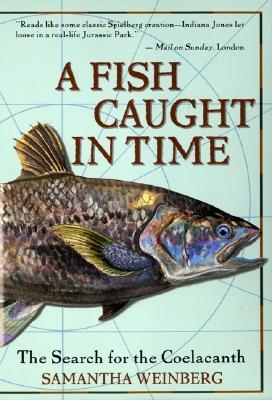
A Fish Caught in Time by Samantha Weinberg


 This is the story of the scientists who rediscovered the coelacanth. This fish had only been known from the fossil record until 1938 when Marjorie Courtney-Latimer, a young curator at East London Museum, South Africa found what she suspected to be a coelacanth in amongst a catch of fish that she'd been invited to look at in case there was anything there of interest to the museum. 

The book then follows the search to rediscover this unique fish for science. Outwith the scientific world, fishermen had been familiar with the fish, though it wasn't considered a good fish to catch, as it didn't taste good. Once the fish was rediscovered by science, it became much more worthwhile for the fishermen to catch it, as scientists and wealthy collectors suddenly started paying large sums of money for it. 

Although I totally understand the need for scientists to study the fish, throughout reading this book, I felt the risk of overfishing to the current populations of coelacanths. It seems though, that the species' elusive habits, that hid it from science for so long, will continue to protect it.  

This is a fascinating book, giving insights into both the coelacanth itself and the scientific research and rivalries around it. 

A Fish Caught in Time, by Samantha Weinberg, published (1999) by Fourth Estate.  

**

The latest post on my Crafty Green Poet Substack is all about my favourite birds, swifts, you can read it here.  


Tuesday, 21 April 2026

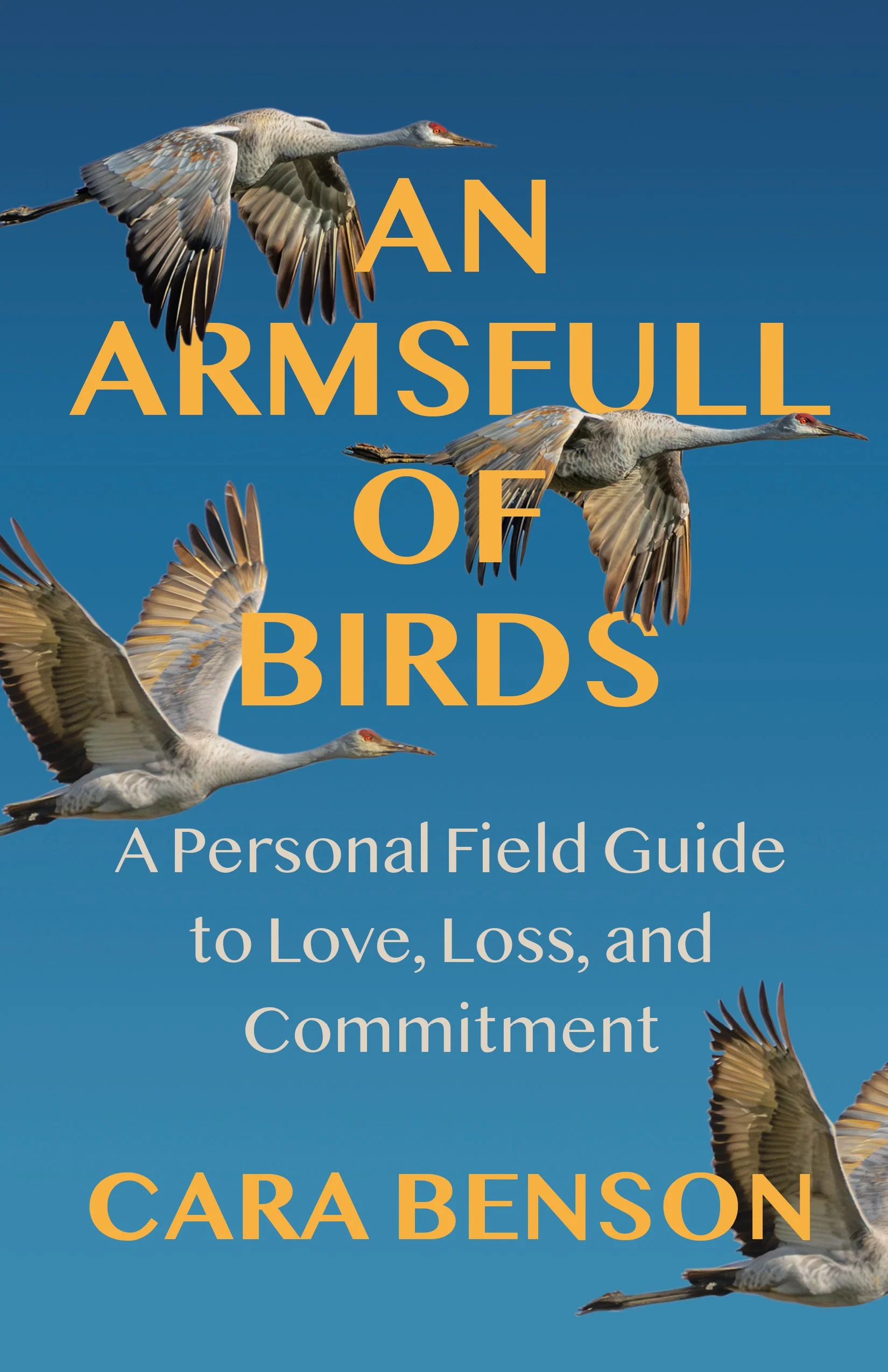
An Armsfull of Birds by Cara Benson

 Book cover with birds flying across a blue background.

Subtitled 'A Personal Field Guide to Love, Loss and Commitment', this is the story of poet Cara Benson's recovery from addiction, her love of the outdoors, her environmental activism, and her long term love affair with Jon, a fellow recovering addict. 

At the outset I thought this would be very much a misery memoir, which isn't a genre I read. However, I was drawn to this book because of the birds and, though there is a lot of misery (the author has not had an easy life at all), the book is overall hopeful and inspiring, as well as being beautifully written, moving and emotionally honest.

Each chapter opens with a brief quote about an aspect of the lifestyle of a particular species of bird, which somehow reflects the aspect of the author's life covered in the chapter. This brings together human life and the natural world in a distinctive, thought provoking way. 

I was very impressed with the author's strength of character. She turned her back on an abusive relationship, committed to sobriety and took up hiking and then mountaineering, braving some incredibly challenging climbs. Later she, with her sister, nursed her mother through terminal ovarian cancer and had to come to terms not only with her mother's death but with Jon's death by suicide. 

After Jon's death, she moved into an old church surrounded by woodland. She was already an environmental activist, but was pushed into thinking more about what she could personally do about the state of the natural world when one of her neighbours started clearfelling the trees on his land. 

This is a moving meditation on love, grief, recovery and our relationship with the natural world - how we need to look after nature but also how the natural world can help us heal:

"We hit the trail early the next morning. The sky was a crisp blue against the white cover of winter. The evergreens were loaded with perfect clumps of snow and rime ice, and we were out there among
them, not another hiker in sight. We trudged in our snowshoes, the path crunching rhythmically under our feet, two souls fully alive for the adventure that our lives had become. Wasn’t this what we’d both
suffered the indignities of withdrawal and the labor of recovery for— to say a hearty “yes!” to it all, as Joseph Campbell, one of the thinkers I’d begun reading in sobriety, had advised?"

 An Armsfull of Birds by Cara Benson, published (19 May 2026) by Simon and Schuster

Disclaimer: I received a free pdf of this book in exchange for an honest review.  

Tuesday, 14 April 2026

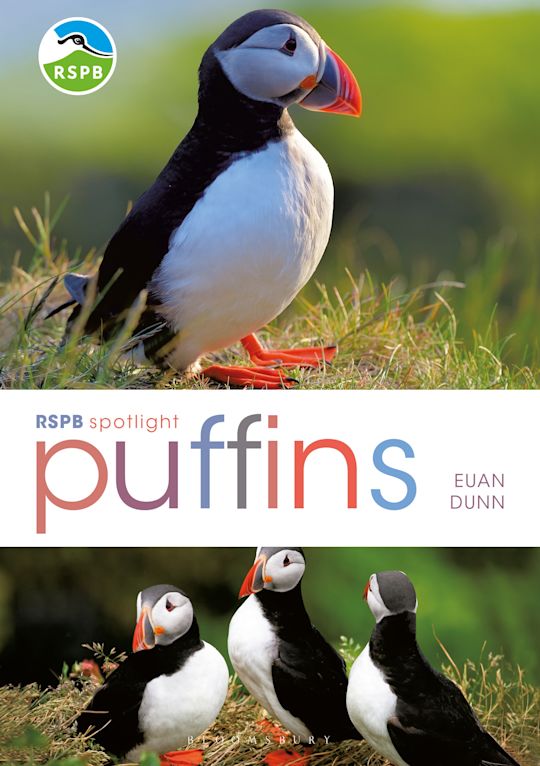
RSPB Spotlight - Puffins by Euan Dunn

 RSPB Spotlight: Puffins cover

 This is a beautiful book taking a close look at the Atlantic Puffin, familiar to many people who have visited the coastal cliffs of the UK among other countries. Illustrated with a wealth of photos, the book looks at vasrious aspects of the puffin's lifestyle from courtship to raising the chicks, foraging for food and colonail living. There are chapters too on the many threats to the puffin, from ocean pollution to overfishing. 

This is a great book for anyone interested in this very charismatic bird species!  An ideal book to review on 14th April - World Puffin Day. According to 2023’s Seabirds Count, the latest seabird census, 23% of Puffins have been lost from the UK in the past 20 years. They now feature on the Birds of Conservation Concern Red List and are at risk of global extinction.  

RSPB Spotlight Puffins by Euan Dunn, published (2014) by Bloomsbury.  

The Wildlife Trusts recently posted an article about folkloric beliefs about puffins, you can read it here.  

**

I'm delighted to have a haiku in the latest issue of Sense and Sensibility. You can read the whole issue here.  

**

A collage of mine has been included in the University of the West of England, Bristol book art exhibition 'The Mountains are Calling'. You can read about the exhibition here and see the artworks on Instagram here. (I'm not on Instagram so can only see a few of the pictures and mine might not be included yet, but will be there by the end of July). If you're in Bristol you can also see all the artworks on display until the end of July at Bower Ashton Library, UWE Bristol.


Monday, 30 March 2026

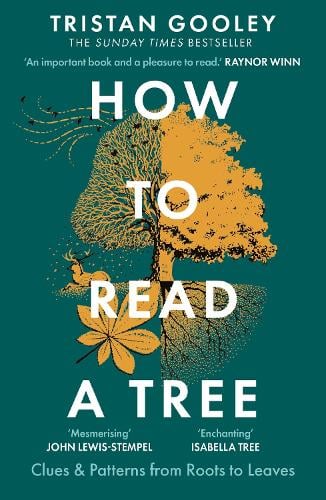
How to Read a Tree by Tristan Gooley

How to Read a Tree (Paperback)

 This is an excellent book from Tristan Gooley, the self styled Natural Navigator. The idea isn't to learn to recognise different species of trees, but to look at how trees grow the environment affects individual trees from the roots to the leaves. We learn how to look at trees in a whole new way and how to recognise, for example, signs that the trees are growing in poor soil or that they've been affected by high winds. 

It's a fascinating book and more elegantly written than earlier books I've read by the same author. I can definitely recommend it if you're interested in finding out more about how trees interact with the world around them. 

How to Read a Tree by Tristan Gooley, published by Hodder (2023).  

Read my tiny reviews of other books by Tristan Gooley:

How to Read Water

The Natural Navigator.  


Thursday, 5 March 2026

George A Magpie Memoir by Frieda Hughes


The author had recently moved to Wales, when she rescued three injured magpie chicks that had fallen from their nest and been abandoned. Only one of these survived, she named him George. 

This is the story of Frieda Hughes' life with George, who for a few short months was a huge presence in her life until he flew away back into the wild. 

The book is a very engaging tale of looking after a mischevious and very intelligent wild magpie who had a 'tangible sense of humour'. Interwoven with this primary narrative are details of Hughes' work at renovating her new home and garden, while suffering from chronic health problems and the breakdown of her relationship.   

George develops a good rapport with the author's three dogs, and we are treated to many scenes of how they would play together, George often hiding dog treats and the dogs finding them. George in fact seems to think he is a dog! 

He also developed a very close relationship with the author herself:

"He was also happy just sitting in my hand as I loved around doing chores: cooking, tidying up, whatever I could do one handed. Sometimes I held him in one hand and painted with the other; and he'd watch my face or my pantbrush as it moved, and seemed captivated. So was I. Of course I realised that everything took twice as long to do with a magpie hanging off me, but I also wanted to make  the most of every minute. His warmy feathered presence was like having an emissary of the natural world grounding me daily."

This ia a very readable account of life with a wild bird, with fascinating insights into the intelligence of magpies.  

George: A Magpie Memoir by Frieda Hughes, published (2023) by Profile Books

**

Today is World Book Day! To celebrate this fact, yesterday's Crafty Green Poet Substack post was all about books! You can read it here.  

Wednesday, 11 February 2026

Two Books about Dinosaurs

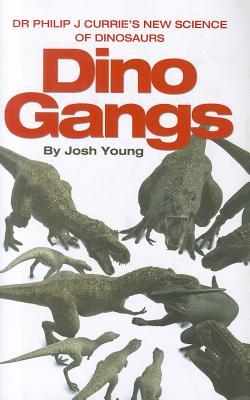
 Dino Gangs: Dr Philip J Currie's New Science of Dinosaurs by Josh Young 

Dino Gangs by Josh Young

 This is a very engaging introduction to the science (carried out by Dr Philip J Currie and others) behind the claim that dinosaurs such as Tyrannosaurus Rex, may have hunted in packs. Dinosaur finds from Alberta, Canada, and the Gobi Desert in Mongolia are studied, and insights given into how the paleontologists work, both in the field and in the lab. Predatory dinosaurs are compared to modern day ostriches, Komodo dragons and lions to try and work out how the extinct creatures may have hunted. 

The book was written to accompany a TV series and feels like it was written for teenagers, with lots of repitition to drive home the points. This probably means that it's a particularly good read for people who aren't so scientifically minded, but makes it a less satisfactory (though still interesting) read for those who have a scientific background. 

Dino Gangs by Josh Young, published (2011) by  Harper Collins

**

The Rise and Fall of the Dinosaurs by Steve Brusatte  


This is a fascinating overview of the development of dinosaurs from the first small examples that appeared so many millions of years ago to the modern feathered varieties we now know as birds. Brusatte is an enthusiastic expert in the field and gives a focussed and interesting overview of the evolution and decline of dinosaurs and the istory of paleontology as a science. He also shares stories from field trips and conferences. I found him an engaging and entertaining writer, though I know some people aren't so keen on his style. 

The science is fascinating enough to keep any interested reader gripped until the last page. Dinosaurs ruled the earth for an unimaginable length of time. I still find it astonishing that my childhood favourite dinosaurs Stegasuarus and Triceratops would never have met because Stegasaurus went extinct millions of years before the first Triceratops appeared.  The book has a bit of a focus on the tyrannosaurs (the best known of these being Tyrannosaurus Rex with its 'pathetic little arms' that are referred to possibly slightly too frequently).

Definitely a good book for anyone interested in dinosaurs.  

The Rise and Fall of the Dinosaurs by Steve Brusatte, published by Picador. 

**

I wrote about Dinosaurs and Birds in my latest Crafty Green Substack post, which you can read here.  

Wednesday, 4 February 2026

The Coral Bones by E J Swift

This novel interweaves three stories, set around the Great Barrier Reef in Australia. One follows Judith, a young woman on a sea voyage in the mid-19th century, the second follows Hana a marine biologist in the present day, and the third follows Telma, a representative of an ecological Restoration Committee, two centuries in the future.

Judith's story is the most engaging, partly because it is an old fashioned adventure, partly due to Judith's obvious delight in finding the pristine reefs, but also because to me she felt like the most well rounded of the characters, with the most engaging voice. 

However, the present day and future stories are most valuable for what they say about the state of the coral reefs and how we might begin to save them in the future. There are some excellent descriptions of the life around the reefs: 

'Rafi had included footage of seadragons mating. Telma watched a dance between pairs, mesmerised by the slow gyre of their movement, the ritual undertaking between male and female, an act that had been staged for countless millennia, and then never again. Their baroque bodies turned in the current, each seadragon endeavouring to mirror the subtle actions of their mate.'

There is also a lot of thoughtful consideration of what we risk losing if we lose the coral reefs to climate change. In some cases, these observations from the future are already being witnessed by coral scientists and divers today:

'Imagine a place you know intimately. A home, beloved, each brick and pane and furnishing and dirt or grease mark on the wall, every inch of the architecture infused with memory. Imagine one day you return and find nothing remains but the foundations. The ceiling is gone, the windows have vanished. What was a house is hollow. Even the air feels different. It is not a haunting, there are no ghosts here; the memories have been wiped. There is only absence. You stand, turning on the spot, looking about you. After a while, the doubt creeps in. You begin to disbelieve that this is the place you knew. That you were ever here at all. Such is the transformation, you cannot truly take it in. There must be some mistake.

Gone were the vivid reds and oranges, the yellows and pinks, the umbers and siennas, the gentle sepias, all the infinite hues of coral that make a healthy reef. These colonies were long past bleaching; algae had grown over their bodies,'

I really enjoyed how the novel brings together stories of the reef from different time periods, historical and imagined and leaves us with a sense of hope that it may not be too late for the Great Barrier Reef.

The Coral Bones by E J Swift, published by Jo Fletcher Books, an imprint of Quercus.   

**

Meanwhile, I've posted a wee piece about World Wetlands Day (which was on Monday) on my Crafty Green Poet Substack. You can read it here.  


Wednesday, 28 January 2026

Polar Corona by Caroline Gill


Polar Corona by Caroline Gill, a winner of the Hedgehong Poetry Prize, is a crown (corona) of seven interlinked sonnets about Antarctic exploration and penguins. The last line of each sonnet becomes the first line of the next sonnet and the last line of the final sonnet is also the first line of the first sonnet, connecting the whole sequence together and underlining the interconnectedness of life at the Antarctic. 

The sonnets display not only well crafted rhthm and rhymes (often half-rhyme) but also occasional effective alliteration:

a wilderness of wind upon a chart,
a sea of storms to keep the watch alert,
a yard of graves to mark the men who died.  

from Crown.  

The sonnets about the penguins are particularly appealing. Often I can imagine them being spoken by David Attenborough over documentary footage: 

The youngsters need to eat to fill out fast;
they peck and jostle for each scrap of food.
Survival instincts may resemble greed,
but soon the time will come to quit the nest.
 

from Birth 

The sonnets here were inspired by a poetry course / residency at the Scott Polar Research Institute and Polar Museum in Cambridge, England. The result is a beautifully produced book containing well crafted poetry that shines a light on the southern-most part of our world. 

** 

Polar Corona by Caroline Gill, published (2025) by Hedgehog Poetry Press  

 To order a signed or unsigned print copy please contact Caroline.

 Further details and purchase of eBook only: Hedgehog Press

**

Meanwhile my latest post has just gone live on my Substack! You can read it here.  


Wednesday, 21 January 2026

What a Fish Knows by Jonathan Balcombe


This is a fascinating book for anyone interested in fish, whether you've kept them as pets, eaten them or wondered at them swimming in our waterways. It's full of interesting science, which is complemented by anecodotes, which, the author notes "carry little credibility with scientists, but ... provide insights into what animals may be capable of that science has yet to explore and they can inspire deeper reflection on the human-animal relationship". This mix of science of anecdote worked really well for me, and gave a more well-rounded overview than would have been possible relying purely on science, vital  though that is.

We're told about the evolution and ecology of fish, taken through how they perceive the world and given insights into their social lives from how they travel in groups to their parenting styles. I learned a lot about fish that I hadn't previously known, including how they can use the reflections on the water surface to see things out of their direct line of sight and that they can produce an 'alarm chemical' to alert other fish to danger, they can even use tools and engage in social play. 

My favourite part of the book was the in-depth exploration of the complex relationships between cleaner fish and their clients. Cleaner fish hang around reefs waiting for larger fish (and other animals) to come by and then pick off the mites and other parasites from the larger animals' bodies. 

The author takes a strong moral position on the value of fish as thinking, sentient beings, opposing industrial fishing operations and sport fishing alike. I was very impressed too by how he also outlines his ethical misgivings about some of the scientific experiments he cites to back up his arguments. 

This is an excellent, engrossing read. 

What a Fish Knows by Jonathan Balcombe, published (2016) by OneWorld Publications.  

**

I posted a new piece on my Crafty Green Poet Substack today, you can read it here.  

Wednesday, 14 January 2026

Wolf Moon by Arifa Akbar

Wolf Moon: A Woman's Journey into the Night Book Cover

 Subtitled A Woman's Journey into the Night, this is a fascinating and beautifully written book, looking at various aspects of the night, from late night theatre and nightclubs to women's safety, from prostitution to insomnia. There isn't as much about nature as I had hoped there would be, but just enough to justify me reviewing the book on this blog (where my policy is that I only review books that have some connection with nature or environmental issues). 

The author rediscovered her local park during nocturnal walks during the COVID lockdown and discovers how meeting up after dark in parks became a preferred method of socialising for some people she knew. The nature writer Melissa Harrison is quoted as saying that she feels no danger in walking across fields in darkness and that the "satisfaction of an unmediated relationship with the natural world outweighs any potential risks." Towards the end of the book, the author describes her experience on a nightingale walk, visiting a nature reserve specifically in the hope of hearing this iconic noctural songster, and eventually she does: 

"Two nightingales are serenading. The sound is full-throated, effortlessly exquisite, with melodies that are long and lustrous, but then followed by eccentrically jagged harmonies." 

This is a fascinating book about all aspects of night-time, just don't expect to read much about noctural wildlife!

Wolf Moon by Arifa Akbar, published (2025) by Sceptre.  

**

My latest Substack post, all about Scottish Gaelic, Nature and Poetry is now up! You can read it here.  


Wednesday, 17 December 2025

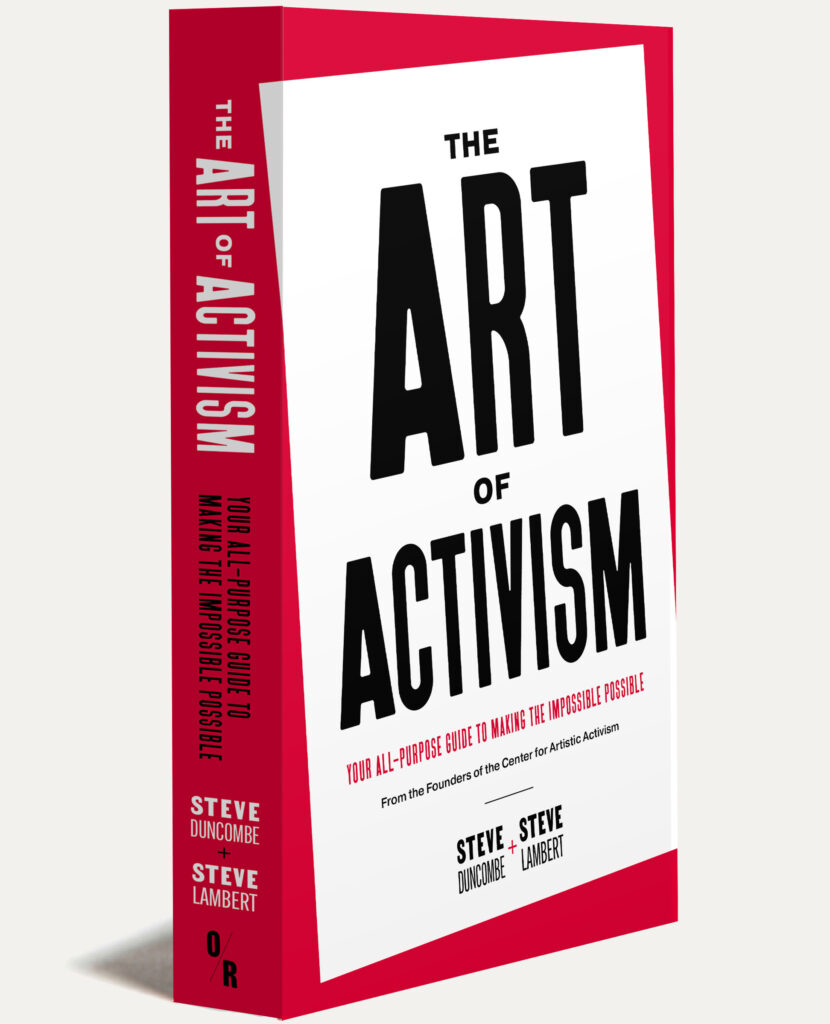
The Art of Activism by Steve Duncombe and Steve Lambert


Subtitled "Your All-Purpose Guide to Making the Impossible Possible", this is a very practical guide to using creative approaches to activism, to achieve concrete outcomes. Creative approaches to activism inspire, energise and engage people who might remain unengaged even after signing petitions or joining a march. The text is accessibly written and accompanied by lots of illustrations, including a surprising number of rabbits!

The book includes a historical overview of artistic activism, including the storytelling of Jesus, the spectacle of the Boston Tea Party and a 1968 action by native Americans to claim Alcatraz Island. The authors also examine some of their own projects, drawing out for example, what a group of American Muslim activists learned from watching the Fast and Furious films. These and other examples are analysed to show why they worked, giving the reader insight into how best to use creative approaches to activism and what pitfalls to avoid.

Case studies include: Undocubus, a bus decorated with pictures of the migratory Monarch butterfly, that tours the USA with riders who have been threatened with deportation, raising awareness of the issues around migration. Project by No Papers, No Fears.  

Journal Rappé, a rap news broadcast in Senegal.  

War on Smog, a performance action in China.  

You can find a whole range of case studies on the Actipedia website

The physical book is supported by an online workbook, which is full of practical exercises designed to make you more creative, whether or not you want to apply that to activism. You can access the workbook here

The Art of Activism by Steve Duncombe and Steve Lambert, illustrated by Steve Lambert, published (2021) by OR Books. Order the free pdf of the interactive workbook here

**

If you're based in the UK, you may be interested in the Wildlife Trusts' Community Hub, which shares inspiration and ideas on how to get involved in community conservation action.


Wednesday, 10 December 2025

The Seed Detective by Adam Alexander

"By the end of the nineteenth century, the USDA (US Department of Agriculture) had recorded a total of 408 varieties of pea being grown commercially. By 1983 the number recorded was just 25, a loss of over 90 percent. This loss of genetic diversity is not unique to the pea. It is happening with all edible crops and poses an existential threat to human survival"

This scenario is the backdrop to Adam Alexander's travels, searching the world for rare varieties of well known vegetables (from asparagus to zucchini), taking seeds home to grow and share, both to enjoy and to preserve them for the future. 

The Seed Detective takes us on a journey starting from when humanity lived as hunter-gatherers up to the present day. Each chapter focuses on a different vegetable and shares the stories of how they became popular, widespread and, on the commercial level, so uniform. Luckily across the world, the author has managed to find wonderful heritage varieties of all these crops and outlines how these varieties are being preserved as well as doing his own bit towards their preservation by collecting and saving their seeds. 

The book looks at various issues around each vegetable. Just taking one example, in Roman times, the Emperor Augustus had a special fleet of ships that carried asparagus around the Mediterranean Sea. Asparagus has been grown in the sourth east of England since the eighteenth century where the soils and weather are ideal for it, however, in Peru where farmers were encouraged to grow asparagus to divert them away from coca (grown to make cocaine) the vegetable is causing drought due to its high demand for water. 

There are many fascinating snippets here: did you know that there is archaeological evidence for pop-corn dating bac 3,500 years?

Throughout the book, Alexander underlines the importance of seed saving - he's an avid collector himself, with 70 varieties of tomatoes in his collection. You can view his seed collection on his website here

Seed saving allows rare varieties to be preserved, ensures stocks of seeds in case of poor harvests and allows crops to adapt to local conditions. Heritage crops are often more resistant to disease and almost always have more taste than commercially grown varieties. 

This is a fascinating book is a plea to preserve all the wonderful heritage varieties of vegetables and is essential reading for anyone interested in botany or the history of our food. 

The Seed Detective by Adam Alexander, published (2022) by Chelsea Green Publishing.  

** 

My latest Substack post is all about winter wildlife. You can read it here.

**

And some excellent news for Swifts in Scotland, "all new buildings over a certain size must include ‘swift bricks’ as part of their design", a change secured by the Scottish Green Party. read more here


Thursday, 27 November 2025

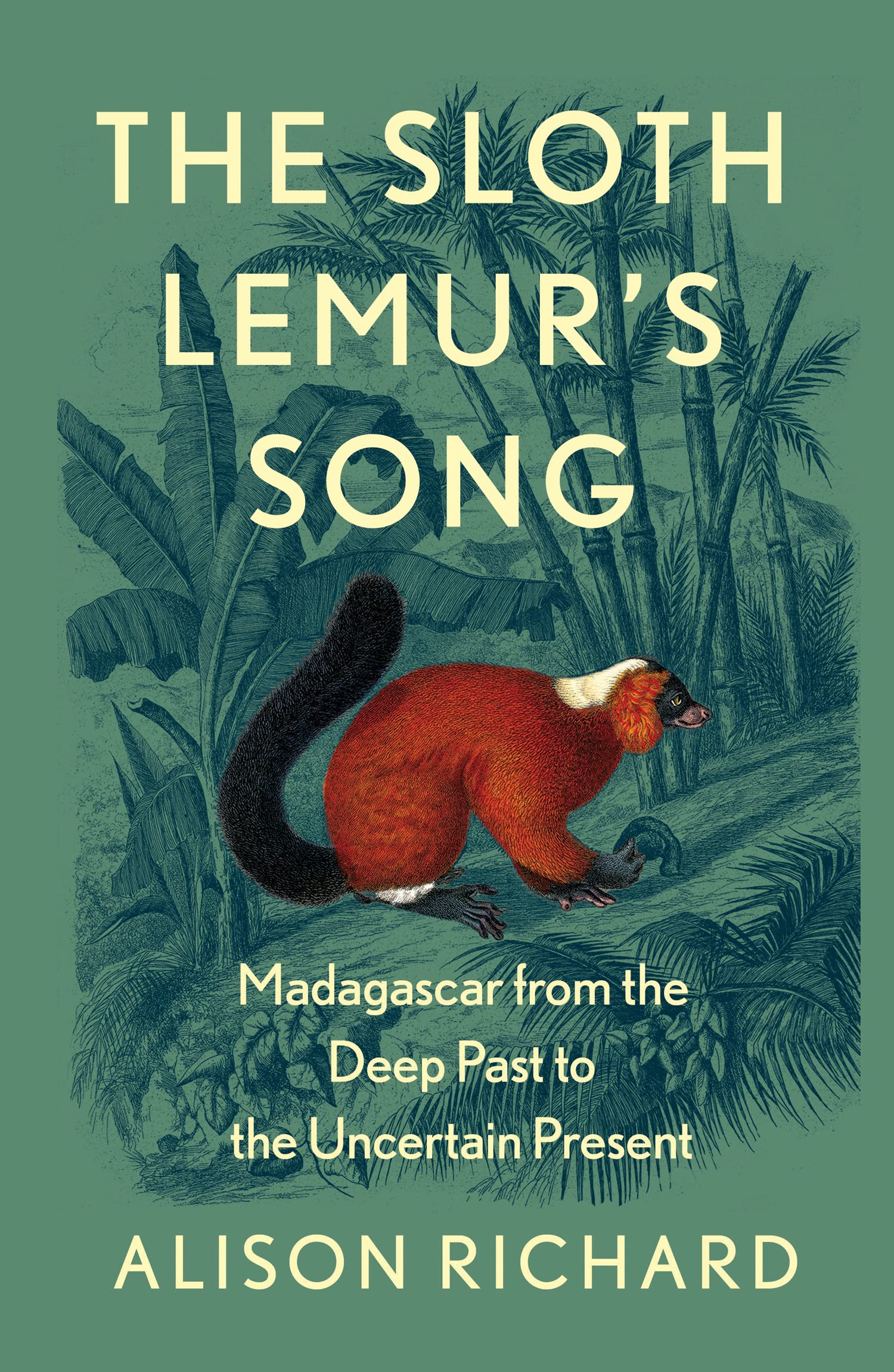
The Sloth Lemur's Song by Alison Richard


Subtitled 'Madagascar from the Deep Past to the Uncertain Future' this is a fascinating overview of the natural history of Madagascar and the relationship that humans have had with nature since first arriving on the island (the first evidence of human habitation dates to around 10,000 years ago). 

Alison Richard has been involved in research and conservation in Madagascar for fifty years and brings a vast amount of knowledge and experience to the book. 

We are guided through the history of Madagascar from the fascinating early animals that have left their fossils here to the current day, where the island is one of the poorest countries in the world and is losing large amounts of its precious rainforests, which are home to a vast array of wildlife found nowhere else, including the around 100 species of the iconic lemurs. Much of the forest loss in Madagascar is due to very poor people having little choice but to clear trees for their farmland. 

Richards makes the important point that a large part of Madagascar has always been grassland and large areas of open space in the country don't all represent areas of destroyed forest. Yet her insistence on this almost undermines her presentation of the actual devastation of the forests. 

A very short chapter, which I felt should have been longer, is dedicated to the fact that some communities are protecting their local forests and wetlands. The chapter gives three brief case studies, including the work being done to protect the areas around the lakes in the west of the island, where Madagascar Fish Eagles are now increasing due to conservation measures that also offer local villagers a sustainable future fishing the lake. 

This is a fascinating book, though at times I did find the writing style awkward. I also expected more lemurs. 

The Sloth Lemur's Song by Alison Richard, published (2022) by Harper Collins.  

 **

Just published today, is this post from the Nature Briefs Substack, about the trade in lemur meat.  

You may also be interested in this recent article about Madagascar's lemurs.  

**

My latest Substack post went live yesterday, you can read it here.  


Thursday, 20 November 2025

The Secret Life of Dust by Hannah Holmes


This book explores all aspects of all types of dust, from the cosmic dust that formed the origins of the universe, through desert dust, fungal spores and smoke from forest fires to pollution and household dust. The more I read, the more I became aware of the risks posed by all these types of dust. It's a sobering read. I'll just share some interesting facts here.

Astonishing amounts of dust are produced from dried out lakes, for example the Aral Sea, which has been massively reduced in size due to overextraction of water for irrigation, produces an estimated 150 million tons a year of dust, heavily laden with toxic pesticides. Up to "half the desert dust in the air today may rise from land damaged by human use." 

Natural dusts from different places have unique mineral signatures and combined with the differing sources of pollution in different areass mean that rain varies around the world in terms of the chemicals and particles contained in raindrops. 

The dusts produced from industrial processes have long been associated with illnesses, particularly asbestosis. I was surprised to read here how long humans have been using asbestos, two thousand years ago, Romans were including asbestos in funeral shrouds and even back then the risks were recognised by the Roman naturalist Pliny the Elder, who noticed that "the unfortunates who mined and wove asbestos were a sickly lot." Yet even now, asbestos creates problems. It can take us a long time to really address problems...

Asthma of course is another ongoing health problem strongly associated with dusts, some of them natural. The last chapter of the book looks at household dusts, and how these are affected by the appliances we use and our approach to household cleanliness.  

This book is very US-centric but is a fascinating read, wherever you live and may make you more aware of all the dust around you. 

The Secret Life of Dust by Hannah Holmes, published (2001) by Wiley.  


Thursday, 13 November 2025

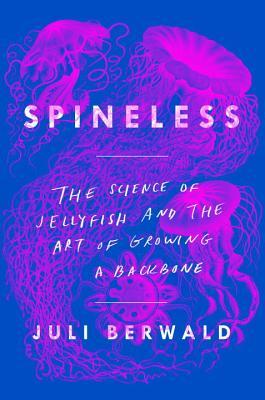
Spineless by Juli Berwald

Subtitled "The Science of Jellyfish and the Art of Growing a Backbone", this is a fascinating look at jellyfish. 

Many people have negative images of jellyfish, as they are well known to cause problems, if their numbers get out of balance, for example, clogging up waterways so that boats can't get through, to causing power outages when they clog up cooling systems. They can also have a negative impact on the catch for many fishing operations, though some species of jellyfish are now becoming desirable catches themselves.  

However, jellyfish are central to many marine ecosystems, and can be entire ecosystems in themselves, offering surfaces for other creatures, such as shrimps to live on and shelter for small fish, who may struggle to find shelter. 

This book takes us on a tour through jellyfish, from ancient times (I was astonished to read that there are jellyfish in the fossil record!) to the current day. Here are details of jellyfish locomotion, bioluminescence and their roles in ecosystems. 

The book later broadens out to look at more general topics around ocean conservation and offers ideas of how individuals can help conserve marine life. 

Blending memoir and science, this is an excellent read for anyone interested in our oceans. 

Spineless by Juli Berwald, published (2018) by Penguin Random House

**

I've just had a tiny poem published on the Smols website, you can read it here.  

**

This week's post on my Crafty Green Poet Substack is all about the sharing economy, you can read it here.